Rhinoplasty
Home / Facial Plastic Surgery / Rhinoplasty
Rhinoplasty is a surgical procedure that can modify and improve aesthetic and/or functional conditions associated with the nose. Since the nose is located right in the center of the face, it can have a prominent effect on one’s overall facial appearance. Rhinoplasty can address what may have been lifelong cosmetic concerns with your nose, or correct breathing problems associated with certain nasal structures. Our board-certified plastic surgeon, Dana Coberly, MD, can develop a customized rhinoplasty treatment plan designed to achieve your goals with natural-looking results.
What Are the Benefits of Rhinoplasty?
Rhinoplasty, often referred to as a “nose job,” offers an array of positive benefits for both men and women who are candidates for this procedure. During your initial consultation with Dr. Coberly, she will talk with you about your needs and goals and determine whether rhinoplasty is the right option for you. Generally speaking, rhinoplasty is capable of:
- Adjusting the overall size of the nose
- Straightening out a misaligned or “crooked” nose
- Modifying the angle of the nasal tip
- Expanding or contracting the appearance of the nostrils
- Smoothing the bridge of the nose
- Widening or reducing the nasal bridge
- Improving the symmetry of the nose and enhancing its aesthetic balance with other facial features
- Improving nasal breathing by correcting a deviated septum
Rhinoplasty can be an effective treatment on its own, or it can be added to a comprehensive cosmetic treatment plan that includes additional facial plastic surgery procedures, body sculpting options, or other treatments.
Who Is a Candidate for Rhinoplasty?
Rhinoplasty is a procedure that can enhance facial harmony and/or improve nasal function. Candidates for rhinoplasty typically include individuals seeking to change the appearance of their nose, improve breathing, or correct a congenital deformity or injury. This procedure can benefit patients with concerns such as nasal asymmetry, a disproportionate nose size, a larger nasal tip, or structural irregularities that may cause breathing difficulties. Ideal candidates should be non-smokers, in good overall health, and have realistic expectations about the procedure’s outcome. Candidates should also have fully developed facial structures, which usually means this surgery is best suited for older teens and adults. A consultation with Dr. Coberly can help determine if rhinoplasty is right for you.
How Is the Rhinoplasty Procedure Performed?
Rhinoplasty can be performed as an “open” (external) or “closed” (endonasal) procedure. An open rhinoplasty involves an incision made in the columella (the area of tissue between the nostrils). This often produces a scar that is barely noticeable since it is so small and in a relatively inconspicuous region. The closed rhinoplasty technique involves no external incisions whatsoever. In fact, the incisions are created inside the nostrils, so there should be no visible scars from the procedure. Each technique offers distinct advantages depending on individual needs and goals. During your consultation, Dr. Coberly will go over the most ideal technique for your specific case.
Rhinoplasty is typically performed on an outpatient basis under general anesthesia. In some cases, patients may require a one-night hospital stay. During surgery, Dr. Coberly will carefully make the adjustments and enhancements outlined in the customized treatment plan. Depending on each patient’s unique needs, the rhinoplasty procedure can take anywhere from one to three hours to complete.
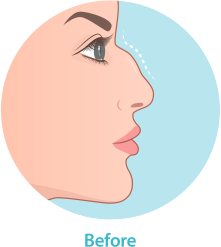
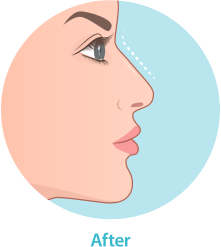
What Can I Expect During Rhinoplasty Recovery?
The specifics of recovery can vary based on the treatment plan and each patient’s individual needs. Patients can expect swelling and bruising around the nose that should dissipate over time as the area heals. For patients who need additional pain relief during recovery, Dr. Coberly may prescribe JOURNAVX, a non-opioid pain medication designed to keep post-operative discomfort well-managed. Please note that it can take several months for swelling to completely fade; however, the majority of noticeable swelling should go down within two to three weeks after the procedure. A nasal splint may be necessary for about five to seven days following rhinoplasty surgery. Patients should not blow their nose for several weeks. Strenuous activities should be avoided for several weeks as well, and great care should be taken to ensure that the nasal region is protected from potential harm as healing progresses. You will be provided with a detailed recovery plan to help you attain the smoothest and safest recovery possible.
How Long Do Rhinoplasty Results Last?
The results of rhinoplasty can last a lifetime since the procedure involves surgical modification of nasal structures. With this in mind, it is important to note that the final rhinoplasty results may not be fully apparent until about one year after surgery. While the majority of the initial swelling generally subsides within a few weeks, there will likely be a mild degree of swelling (although barely noticeable) for several months while signs of subtle changes and refinement may continue to appear during that first year. Following post-operative care instructions and attending follow-up appointments can help preserve quality rhinoplasty outcomes and longevity.

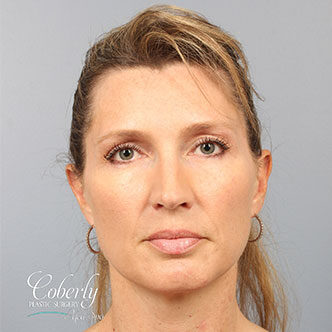 Before
 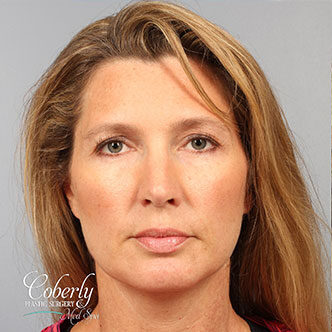 After
After 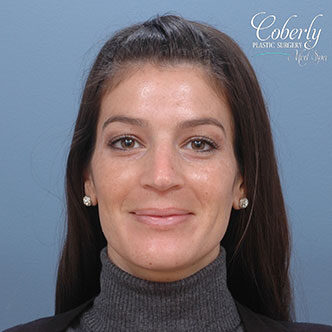 Before
 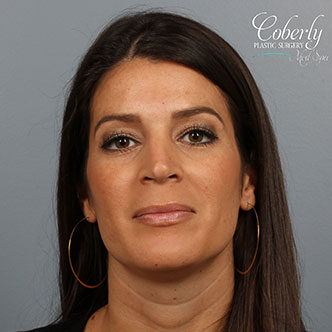 After
After 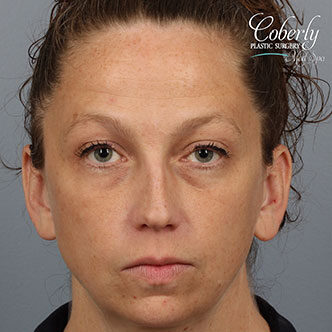 Before
 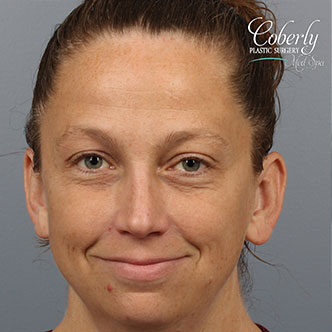 After
After 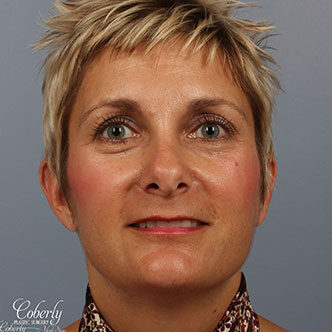 Before
 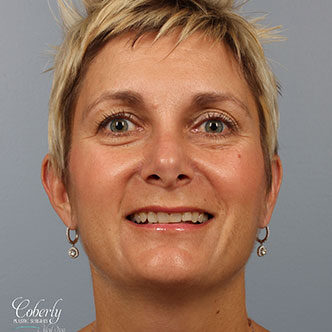 After
After What Is Ethnic Rhinoplasty?
Ethnic rhinoplasty is a form of nose surgery designed to be uniquely tailored to patients who would like to be sure they preserve aesthetic characteristics associated with their ethnic backgrounds. While the basic surgical techniques are very similar to a standard rhinoplasty, Dr. Coberly fully understands the desire among patients of specific ethnicities and ancestry to experience rhinoplasty results that do not compromise ethnically unique features. She will work with you to create a treatment plan that can successfully achieve your goals.
Can I Get a Rhinoplasty Without Surgery?
A non-surgical rhinoplasty, often called a “liquid nose job,” may be an option for those seeking to subtly alter the shape of their nose without surgical intervention. This procedure involves the injection of dermal fillers to smooth out bumps, adjust the shape of the nasal tip, or improve symmetry. The results are temporary, usually lasting between 6 to 18 months, depending on the type of filler used. Non-surgical rhinoplasty is less invasive and does not require an extensive recovery period, but it cannot reduce the size of the nose or correct internal structural issues in the same way that surgery can.
During your consultation with Dr. Coberly, she can assess your concerns and aesthetic goals to determine the best rhinoplasty approach for you.

Choosing a Rhinoplasty Plastic Surgeon
Selecting a skilled and experienced rhinoplasty surgeon is essential for achieving natural-looking results. Look for a board-certified plastic surgeon with specialized expertise in facial procedures, particularly nasal surgery. Reviewing before-and-after photos can help you evaluate the surgeon’s aesthetic approach and consistency. It’s also important to choose a provider who takes the time to understand your goals and explains your options clearly. Additionally, plastic surgeons who utilize advanced techniques and create personalized treatment plans are more likely to produce natural-looking, satisfactory results.
During your consultation, you should feel comfortable asking questions and confident in your surgeon’s ability to deliver both cosmetic enhancement and functional improvement when needed.
How Much Does Rhinoplasty Cost?
The cost of rhinoplasty at Coberly Plastic Surgery & Med Spa can be variable among patients due to the customized nature of the procedure. Factors that can go into the final price of nose surgery include the complexity and extent of the treatment, the techniques utilized, fees associated with anesthesia and use of the operating facility, and other components. You will have an opportunity to review the costs associated with your rhinoplasty procedure based on the comprehensive plan developed by you and Dr. Coberly at the initial consultation. We will be happy to talk with you about payment options available at our practice, which include financing arrangements through reputable third-party agencies that offer qualified applicants the ability to conveniently pay for their treatment in a series of installments.
Additional Frequently Asked Questions About Rhinoplasty
How visible will my scars be after rhinoplasty?
In most cases, rhinoplasty scars are minimal and difficult to detect. With an open approach, a small incision is made along the columella—the narrow strip of tissue between the nostrils. This typically heals very well and becomes barely noticeable over time due to its discreet location. With a closed rhinoplasty, incisions are placed inside the nostrils, leaving no visible external scarring. Dr. Coberly uses meticulous techniques to support optimal incision healing and minimize any signs of surgery.
After surgery, following post-operative care instructions can help ensure that any incisions heal smoothly and fade as much as possible.
What is the difference between cosmetic and functional rhinoplasty?
Cosmetic rhinoplasty focuses on enhancing the appearance of the nose, addressing concerns such as size, shape, symmetry, or proportion in relation to the rest of the face. Functional rhinoplasty, on the other hand, is performed to improve breathing and correct structural issues like a deviated septum or nasal valve collapse. In many cases, both goals can be achieved in a single procedure. By combining aesthetic refinement with functional correction, patients can generally enjoy improved nasal airflow while also achieving a more balanced and harmonious facial appearance.
Is rhinoplasty painful?
Rhinoplasty is typically performed under general anesthesia, so patients should not feel any pain during their procedure. After surgery, some discomfort and swelling are common, especially in the first few days. Most patients describe the sensation as mild soreness rather than significant pain. Any discomfort can usually be managed with JOURNAVX, a non-opioid pain medication. As healing progresses, symptoms gradually subside, and most patients find the recovery process to be more manageable than expected.
If you would like to learn more about rhinoplasty, or if you are ready to schedule a consultation, contact Dr. Coberly today!